Milestone Inspections & 40-Year Recertifications
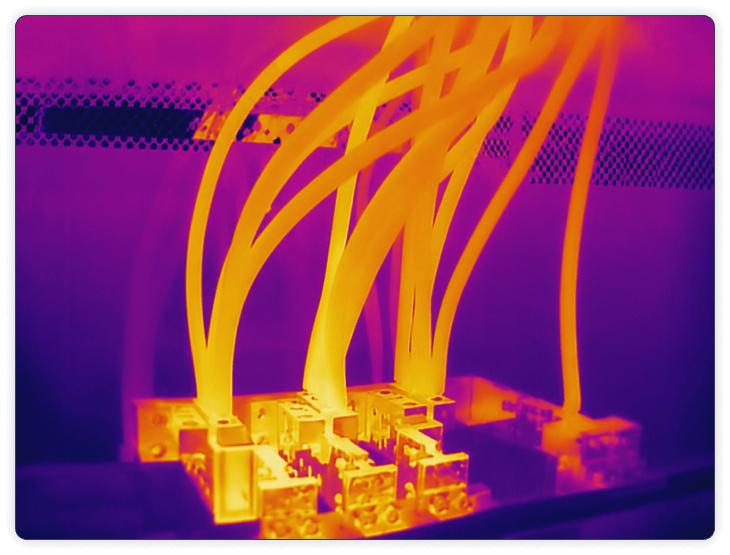
Structural, electrical, and infrared thermography — performed and sealed by one licensed Professional Engineer and Level II Certified Thermographer. Over 100 inspections completed in the past year.

One Engineer. Every Discipline. No Subcontractors.
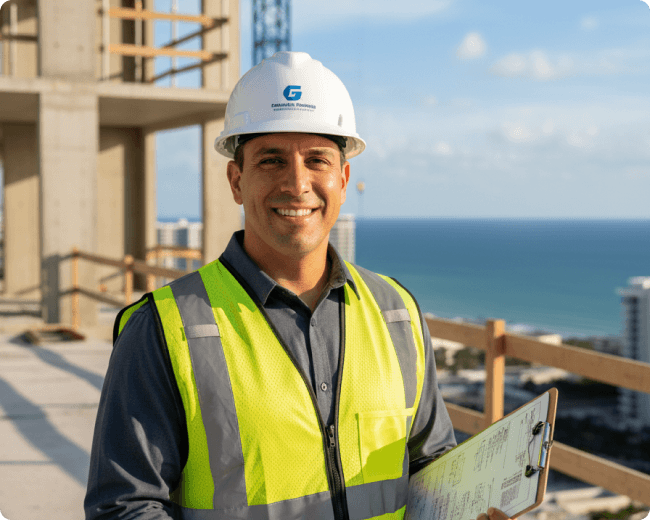
Most firms handling your inspection are structural shops. When your building needs the electrical inspection, they call someone. When infrared thermography is required, they call someone else. Every handoff is another schedule, another invoice, and another party who doesn’t answer to you.

SOTEK doesn’t work that way. Christopher F. Soto is a licensed Florida Professional Engineer, a Registered Special Inspector, and a Level II Certified Infrared Thermographer, which means the structural evaluation, the electrical evaluation, and the infrared thermography are all performed by the same accountable engineer who signs and seals your report.

South Florida Compliance

Milestone Inspection or 40-Year Recertification: Which One Do You Need?

These two get used interchangeably. They are not the same requirement, and confusing them is how associations miss deadlines.

Milestone Inspections

are a statewide requirement for older condominium and cooperative buildings above a certain height. They evaluate structural integrity only.

Building Recertification

what most people call the 40-Year Recertification, is a local program that has existed in Miami-Dade and Broward for decades. It applies to a much broader range of buildings, including commercial, and it requires inspection of both the structural and the electrical systems.
Many buildings fall under one. Some fall under both. Commercial owners are often surprised to learn the statewide milestone requirement doesn’t cover them at all, but the county recertification program does.

SOTEK performs both.

SOTEK performs both, and will tell you plainly which one applies to your building before you spend a dollar.

How a Milestone Inspection Works

Phase 1 · Visual Assessment

A comprehensive visual examination of the building’s primary structural components, habitable and non-habitable areas alike, looking for signs of substantial structural deterioration. You receive a signed and sealed report with findings, recommendations, and supporting documentation. If no substantial deterioration is found, the process ends here.

Phase 2 · Investigation

Triggered only when Phase 1 identifies substantial structural deterioration. Phase 2 goes deeper, with non-destructive and, where warranted, destructive testing to determine the full extent of the distress and define the repair scope.

The SOTEK difference:

if Phase 2 leads to repairs, you don’t start over with a new firm. SOTEK designs the structural repairs, seals the drawings, and performs the re-inspection and certification. One engineer, start to finish.

Comprehensive Evaluation

The Full Scope

Structural Inspection

Visual Inspection
Comprehensive examination of exterior and interior structures: walls, floors, roofs, columns, beams, and foundations, identifying deterioration, cracking, rust, and damage.

Non-Destructive Testing
Where the condition warrants it, methods such as ultrasound, infrared thermography, and ground-penetrating radar assess the integrity of structural components without cutting into your building.

Load Capacity Analysis
Evaluation of the building’s ability to withstand its loads and stresses against current safety standards.

Foundation Evaluation
Assessment of the foundation for settlement or shifting that could compromise stability.

Review of Structural Plans
Where original plans exist, review against current building codes and regulations.

Electrical Inspection

System Evaluation
Inspection of wiring, panels, outlets, switches, and fixtures by a Professional Engineer to identify hazards and code violations.

Circuit Analysis
Verification that circuits are properly grounded and not overloaded.

Safety Device Verification
Confirming presence and function of smoke detectors, carbon monoxide detectors, and GFCIs.

Code Compliance Review
Evaluation against current National Electrical Code (NEC) standards and local regulations.

Fire Hazard Assessment
Identification of fire hazards associated with electrical components and wiring, with corrective recommendations.

Documentation & Reporting
Detailed reports of all findings with clear recommendations for repairs or upgrades.

Advanced In-House Technology

Infrared Thermography, In-House and Level II Certified
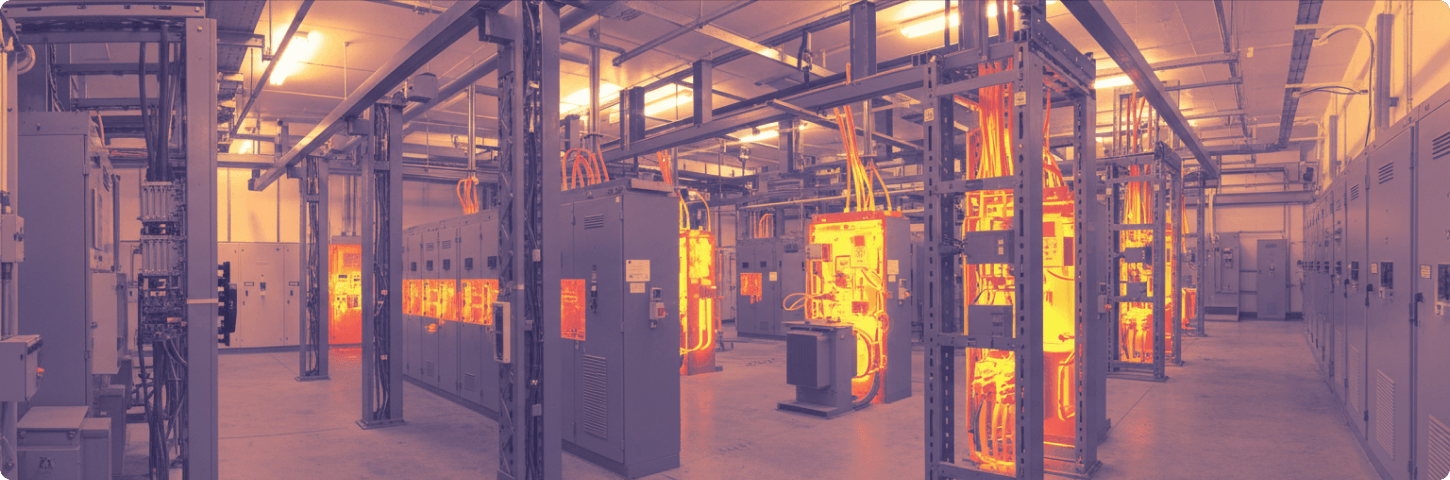
Larger electrical systems require an infrared thermography inspection with a written report covering equipment such as busways, switchgear, panelboards, disconnects, VFDs, starters, control panels, meter centers, junction boxes, transfer switches, and transformers.

The requirement is specific about who may perform it: a Level II or higher certified infrared thermographer, qualified and trained to recognize and document thermal anomalies in electrical systems, with substantial experience inspecting commercial building electrical systems.

Most engineering firms don’t have one. They subcontract it, which means another vendor, another schedule, and a report your engineer didn’t produce.

Christopher Soto holds a CIT-LII (Certified Infrared Thermographer, Level II) certification alongside his PE license. The thermography is performed by the same engineer who inspects your structure and signs your report.

Why it matters to you:

Why it matters to you: infrared sees what a visual inspection cannot. A loose connection or overloaded circuit radiates heat long before it fails, arcs, or starts a fire. Thermography finds those problems while they’re still a repair instead of an emergency.

WHY SOTEK

Why Associations and Owners Choose SOTEK

One accountable engineer

You work directly with the licensed PE who inspects your building and seals your report. Not a coordinator, not a rotating network.

Structural, electrical, infrared, and reserves under one roof

The full scope performed in-house, by one firm, on one schedule.

Level II certified thermographer

The infrared credential the requirement demands, held by your engineer rather than a subcontractor.

Current on the requirements

The rules change often. Tracking them is our job, and we apply what’s in effect the day we inspect.

Deadlines are the job

Inspection and recertification deadlines carry real consequences for boards. We start immediately and communicate at every stage.

We don't stop at the report

Repair design, re-inspection, certification, and reserve planning. The whole path to compliance, from one firm.

Proven volume

Over 100 inspections completed in the past year.

FAQ

Frequently Asked Questions

Who is responsible for arranging and paying for an inspection?
For condominium and cooperative buildings, the association arranges the inspection and covers the cost for the components it maintains. For commercial and other buildings under a county recertification program, that responsibility sits with the owner.
Less than you'd think. Scheduling, inspection, reporting, and any follow-up all have to fit inside the window, so the earlier you call, the more options you have. Tell us your notice date and we’ll tell you exactly where you stand.
Generally no. The statewide milestone requirement is aimed at condominium and cooperative buildings. But if you’re in Miami-Dade or Broward, the county Building Recertification program likely does apply, and it includes electrical. We’ll confirm which applies to your building.
A milestone inspection assesses the structural integrity of the building for safety, meaning what’s wrong now. A Structural Integrity Reserve Study evaluates the remaining useful life and replacement cost of major components so your association can budget reserves, meaning what it will cost later. They’re separate requirements with separate purposes, and SOTEK performs both.
Yes, and there’s a real advantage to it. One engineer, one walkthrough, and a reserve study whose numbers actually match what was found on your building.
A Phase 2 inspection is required, a deeper investigation to determine the extent of the deterioration and define the repairs needed. SOTEK can carry that through repair design, re-inspection, and certification.
It depends on the size of your electrical service. Where it applies, it must be performed by a Level II or higher certified thermographer. Christopher Soto holds that certification, so it’s handled in-house rather than subcontracted. We’ll confirm whether your building triggers the requirement.
They do keep changing, which is exactly why you hire an engineer who tracks them. We apply the requirements in effect the day we inspect, and we’ll tell you plainly what your building needs right now.
Gather your building records: prior inspection reports, maintenance logs, repair history, and original plans if you have them. Ensure access to common areas, roofs, and electrical rooms. And notify residents so the walkthrough goes smoothly.
Timelines depend on building size and scope, but deadlines drive our schedule. Tell us your deadline on the first call and we’ll tell you honestly whether we can meet it.

Your Deadline Isn't Moving. Neither Are We.

Tell us your building and your deadline. You’ll get a straight answer about which inspection applies, what it costs, and whether we can meet your date.

Call Christopher directly · (786) 597-7894

Trusted Partners